

modern obscure glass
Understanding Guide Rail Prices A Comprehensive Overview Guide rails, also known as guardrails or safety barriers, play a critical role in ensuring the safety of vehicles and pedestrians. These structural elements are primarily designed to prevent vehicles from veering off the road, thereby reducing the likelihood of accidents. As essential components of road safety systems, guide rails are utilized in various settings, including highways, urban roads, bridges, and parking lots. A significant factor that influences the overall effectiveness of these safety installations is their price. In this article, we will explore the various components that affect guide rail prices, the types of guide rails available, and the implications of these costs on safety and infrastructure investments. Factors Influencing Guide Rail Prices 1. Material Composition The most common materials used for guide rails include steel, aluminum, concrete, and plastic. Steel guide rails, often galvanized for corrosion resistance, are generally more expensive than their aluminum counterparts. Prices vary based on material durability, weight, and specific performance characteristics. For example, heavier steel rails might offer superior protection but at a higher cost. 2. Design Standards Different regions have different safety standards and regulations governing the design and construction of guide rails. Compliance with these regulations often requires additional engineering considerations, which can drive up costs. More complex designs, including those that feature energy-absorbing mechanisms, may further increase the price. 3. Installation Requirements The cost of guide rails is not limited to the materials alone; installation plays a significant role in the overall expenditure. Factors such as the type of terrain, the length of the barrier needed, and site accessibility can significantly affect labor costs. Regions with more challenging soil or environmental conditions may require additional preparation, resulting in increased overall expenses. 4. Maintenance and Longevity The life expectancy of guide rails varies based on material, environmental exposure, and maintenance practices. While cheaper options might be appealing initially, they could incur higher long-term expenses due to frequent repairs or replacements. Investing in higher-quality materials may yield significant savings over time by reducing maintenance needs. 5. Market Trends Like any other commodity, the prices of guide rails are also influenced by market trends. Fluctuations in the prices of raw materials, manufacturing costs, and supply chain dynamics can impact guide rail prices. For instance, during periods of economic growth, increased demand can lead to higher prices, whereas economic downturns might result in more competitive pricing. guide rail price Types of Guide Rails and Their Prices 1. W-Beam Guardrails These are among the most commonly used guide rails and usually range from $10 to $25 per linear foot, depending on the factors discussed above. 2. Cable Barriers Offering a flexible solution for containment, cable barriers can cost between $30 to $50 per linear foot. Their installation may be more complex, adding to the final price. 3. Concrete Barriers Typically used in construction zones and for urban applications, concrete barriers can range from $50 to $100 per linear foot, depending on the specific requirements and designs. 4. Plastic Barriers These are generally more affordable, with prices ranging from $5 to $15 per linear foot. However, their effectiveness and durability are often less than that of metal or concrete options. Implications for Safety and Infrastructure Planning The financial investment in guide rails is directly related to road safety. Higher-priced, durable guide rails can potentially save lives and reduce the costs associated with vehicle accidents. When planning infrastructure projects, allocating sufficient funds for quality guide rails can be key to minimizing future liabilities and enhancing community safety. In conclusion, while the price of guide rails can vary significantly based on numerous factors—including material choice, design standards, and installation requirements—the ultimate goal is to ensure safety on the road. Stakeholders must weigh the initial costs against the long-term benefits of investing in high-quality guide rail systems, recognizing that the true value lies in the protection they provide to both drivers and pedestrians alike.
about
modern obscure glass
How to Change the Main Water Valve A Step-by-Step Guide Changing the main water valve in your home is an essential maintenance task that can prevent water damage and excessive leaks. Whether you're dealing with a malfunctioning valve or simply want to upgrade to a more reliable model, understanding the process is crucial. This guide will walk you through the necessary steps to change your main water valve safely and effectively. Understanding the Main Water Valve The main water valve is a crucial component of your plumbing system, as it controls the flow of water into your home. It’s typically located near where the water line enters your house, often in the basement, crawl space, or outside near the foundation. Knowing how and when to change this valve is important not just for repairs, but for emergencies, such as significant leaks or burst pipes. Tools and Materials You’ll Need Before you begin, gather the necessary tools and materials. You will need - A new main water valve (ensure it’s the correct size and type) - Pipe wrenches or adjustable wrenches - Plumber's tape - A bucket or towels to catch water - Safety glasses and gloves - A pipe cutter (if you need to remove any sections of pipe) Step-by-Step Process 1. Turn Off the Water Supply The first and most crucial step in changing the main water valve is to shut off the water supply to your home. This can usually be done at the municipal supply, often located at the street or in a designated access point. Once you turn this off, open a faucet in the house to allow any remaining pressure to escape, preventing backflow when you remove the valve. how to change main water valve 2. Drain the System To avoid flooding, it’s a good idea to drain the pipes. Open faucets at the highest and lowest points in your home to let any remaining water flow out. This step minimizes water spillage when you remove the old valve. 3. Locate the Valve Find the main water valve; it could be a gate valve or a ball valve. Inspect the connections and surrounding pipes to assess how best to approach the replacement. 4. Remove the Old Valve Using your pipe wrench, loosen the nuts connecting the valve to the pipes. Depending on the type of valve, you may need to cut the pipe if it is soldered or too corroded to remove easily. Be cautious here; ensure your cuts are clean to facilitate a better seal with the new valve. 5. Prepare the New Valve Before installing the new valve, measure the space to ensure a proper fit. Apply plumber’s tape to the threads of the new valve to prevent leaks. This helps create a watertight seal when you attach it to the existing plumbing. 6. Install the New Valve Position the new valve in place, ensuring it’s oriented to allow for the correct flow direction (usually indicated by an arrow on the valve). Tighten the connections with your wrench, ensuring they are snug but not overly tight, which could damage the fittings. 7. Restore Water Supply Once the new valve is securely in place, turn the water supply back on slowly. As you do this, watch for leaks around the fittings. If everything looks good, restore normal water pressure by turning on faucets and letting air escape. 8. Test the System Run water through the system to ensure the new valve is functioning correctly. Check all nearby connections for any signs of leaking. If you notice any drips, you may need to retighten the connections or apply more plumber's tape to ensure a secure fit. Conclusion Changing the main water valve in your home is a straightforward process that can save you from future headaches related to leaks and water damage. By following this step-by-step guide, you can safely replace your valve with confidence. However, if you encounter any complications or are unsure about the process, don’t hesitate to consult a professional plumber. Regular maintenance and timely repairs are key to keeping your plumbing system in optimal condition.
-

High quality industrial productsagement

High quality industrial products
View Details -

Meet the diverse needs of customers

Meet the diverse needs of customers
View Details -

Strict quality control

Strict quality control
View Details -

Top raw materials

Top raw materials
View Details -

Trusted supplier

Trusted supplier
View Details
Our application

news and information
Y Type Strainer Future Innovations
The industrial landscape is continuously evolving, driven by technological advancements and the need
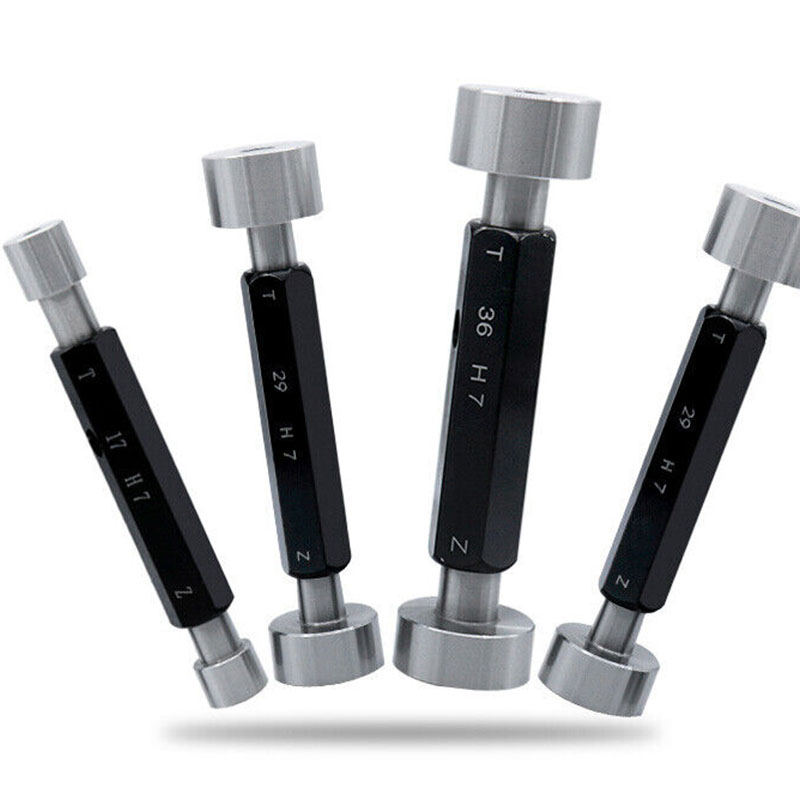
Versatile Thread Measurement Tool for Accurate Adjustable Gauge Specifications
Understanding Adjustable Thread Gauges An Essential Tool in Precision Engineering In the realm of pr
Versatile animal repellent device for effective pest control in various settings.
A multifunctional animal repeller is a device that is designed to keep unwanted animals away from yo
 English